| |
 Dear Member of the Swiss polar and high-altitude science community,
This edition brings you news about the currently open calls, latest updates about the SPI Flagship Initiatives, a look back on the Swiss Polar Day, as well as collaboration and training opportunities. We thank you for your continued support and wish you a good read!
The SPI Team
|
| |
| |
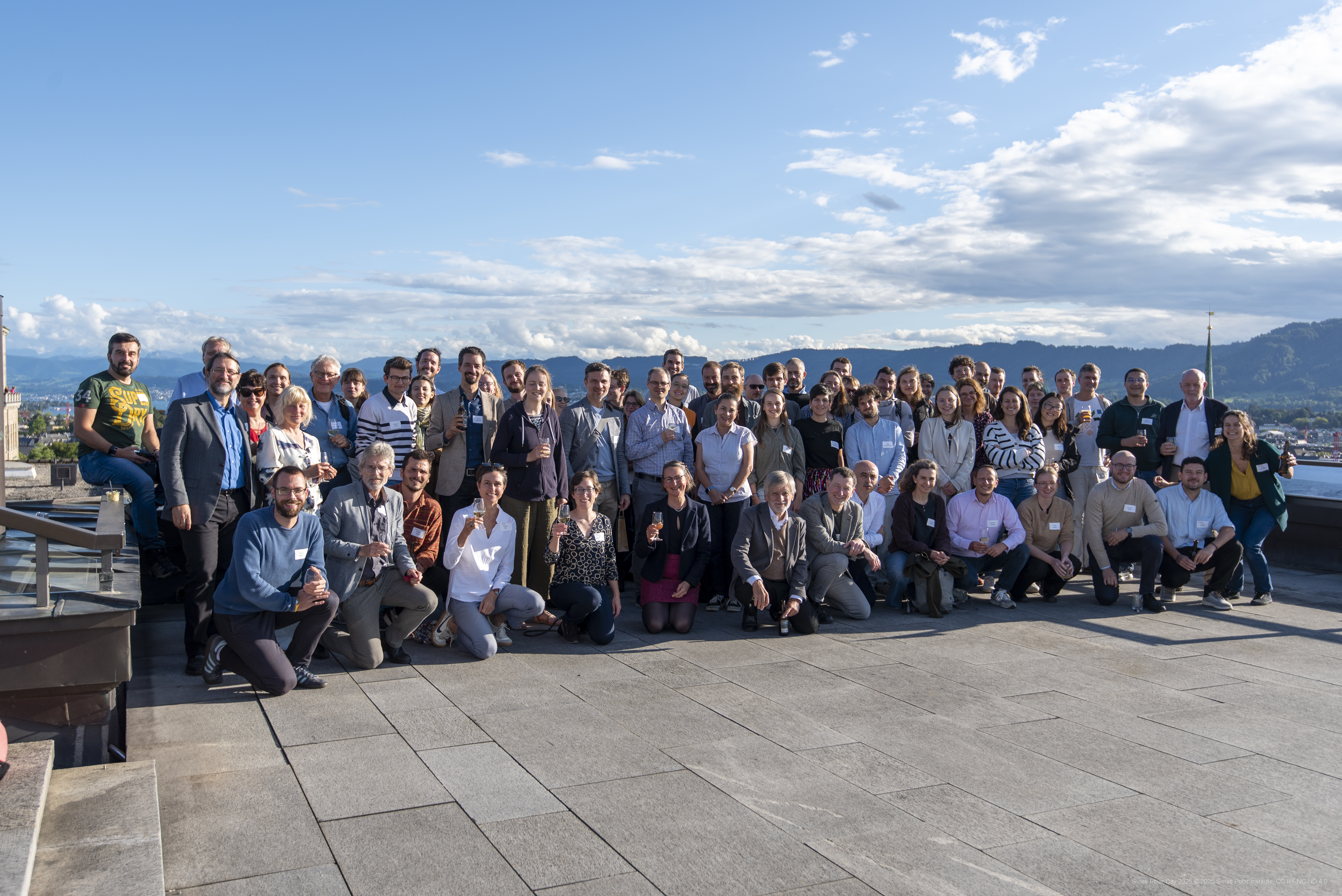 Participants of the Swiss Polar Day 2025 at ETH Zurich © 2025 Swiss Polar Institute, CC BY-NC-ND 4.0
Looking back on the annual conference of the Swiss polar and high-altitude community - the event offered a generous overview of the current Swiss-led initiatives and projects, international and national collaboration opportunities and the latest news from the field. We thank ETH Zürich and Annette Oxenius (ETH Vice President for Research) for welcoming us, and all the speakers and participants for making it a truly valuable moment of networking and exchange for Swiss polar research.
The presentations, photos and videos of the Swiss Polar Day 2025 are now available on the event page →
|
| |
| |
|
GreenFjord's new article published in Nature:
Dr Dominik Gräff and colleagues from the GreenFjord team published an article in the leading scientific magazine Nature. The article describes coupled iceberg calving and underwater glacier melting processes within a fjord ecosystem in southwestern Greenland. Read more →
GreenFjord Science Outreach Week in Greenland:
As the scientific programme approaches its conclusion, the last week of the summer field campaign was dedicated to outreach, with a Science Week to share results with the residents from the Kujalleq region. Read more →
PAMIR Team reveals drivers of recent glacier retreat in the Pamir Mountains:
A new article in the Nature Portfolio open access journal Communications Earth & Environment describes a process where decadal reduction in snow precipitation causes glacier mass losses in the Northwestern Pamir Mountains. Read more →
SPI Flagship Initiative PAMIR to contribute to Ice Memory Foundation's climate archive:
The Climate and Environmental History Research Cluster of the PAMIR research programme in collaboration with the Center for Glacier Research of the National Academy of Sciences of Tajikistan and scientists from Japan and the US has launched their field campaign on the Kon Chukurbashi Ice Cap in the Pamir Mountains (Tajikistan) with the aim to extract two deep ice cores. One ice core will be used for research purposes and the second will be preserved for future generations thanks to Ice Memory Foundation. Read more and access the press release →
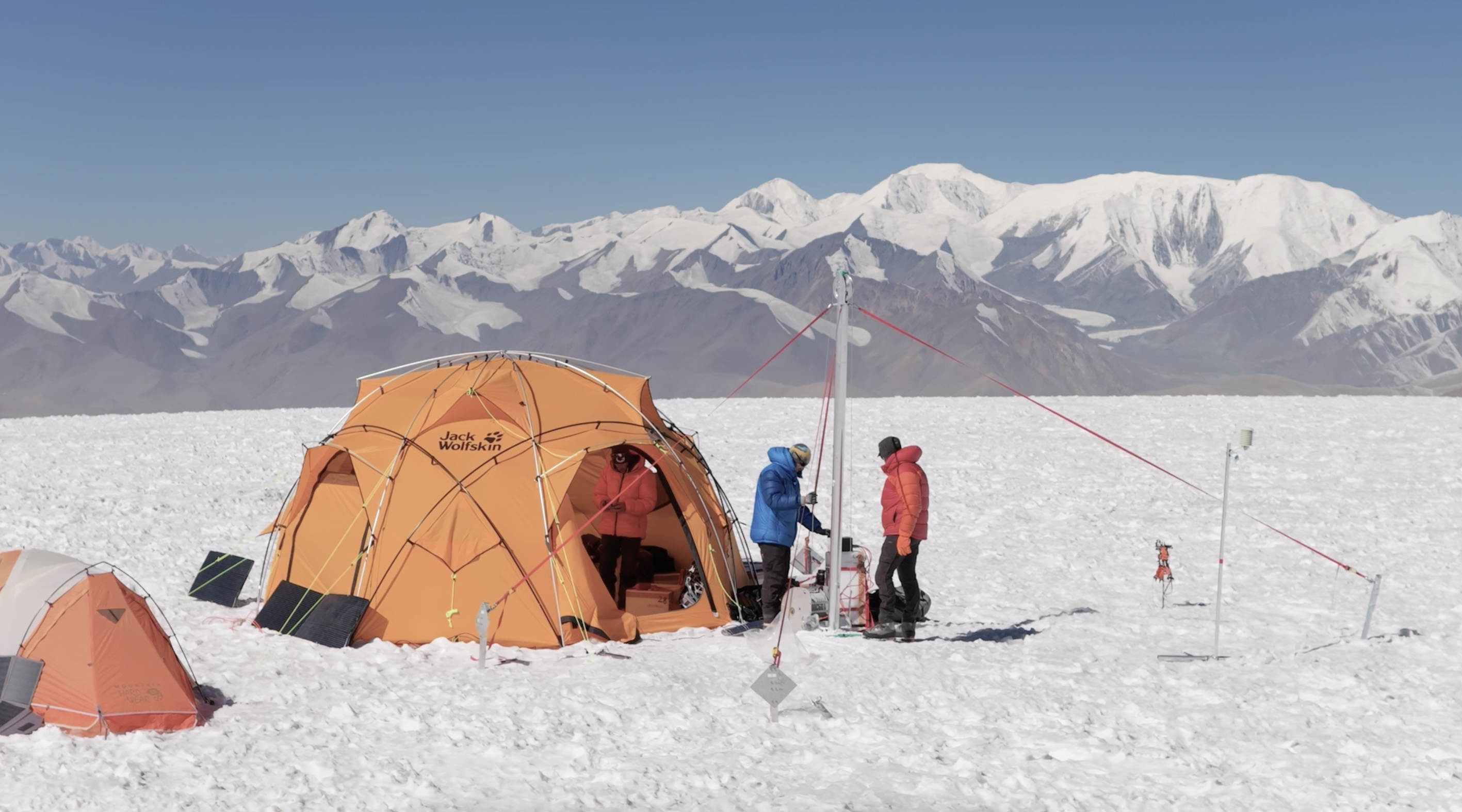 PAMIR Team at the drilling site. © 2025 B. Delapierre / Ice Memory Foundation / TSVPprod / Nanofprod
|
| |
| |
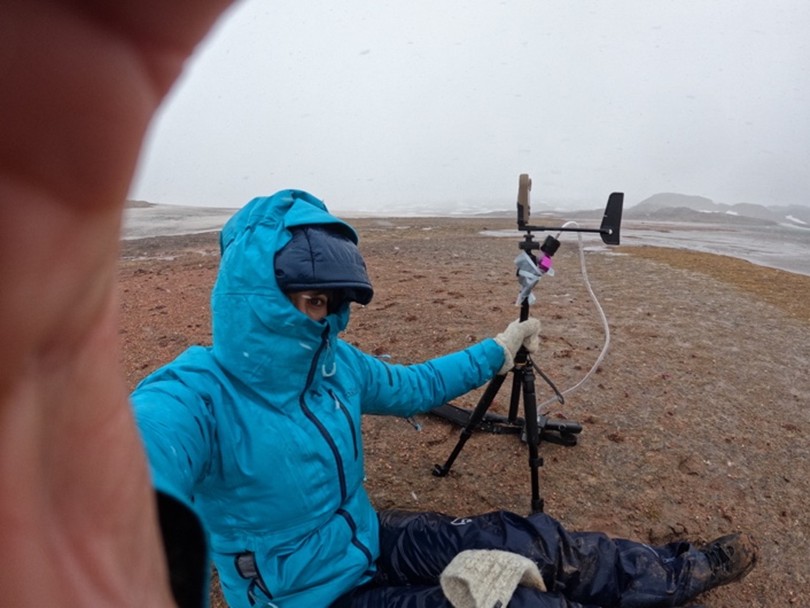
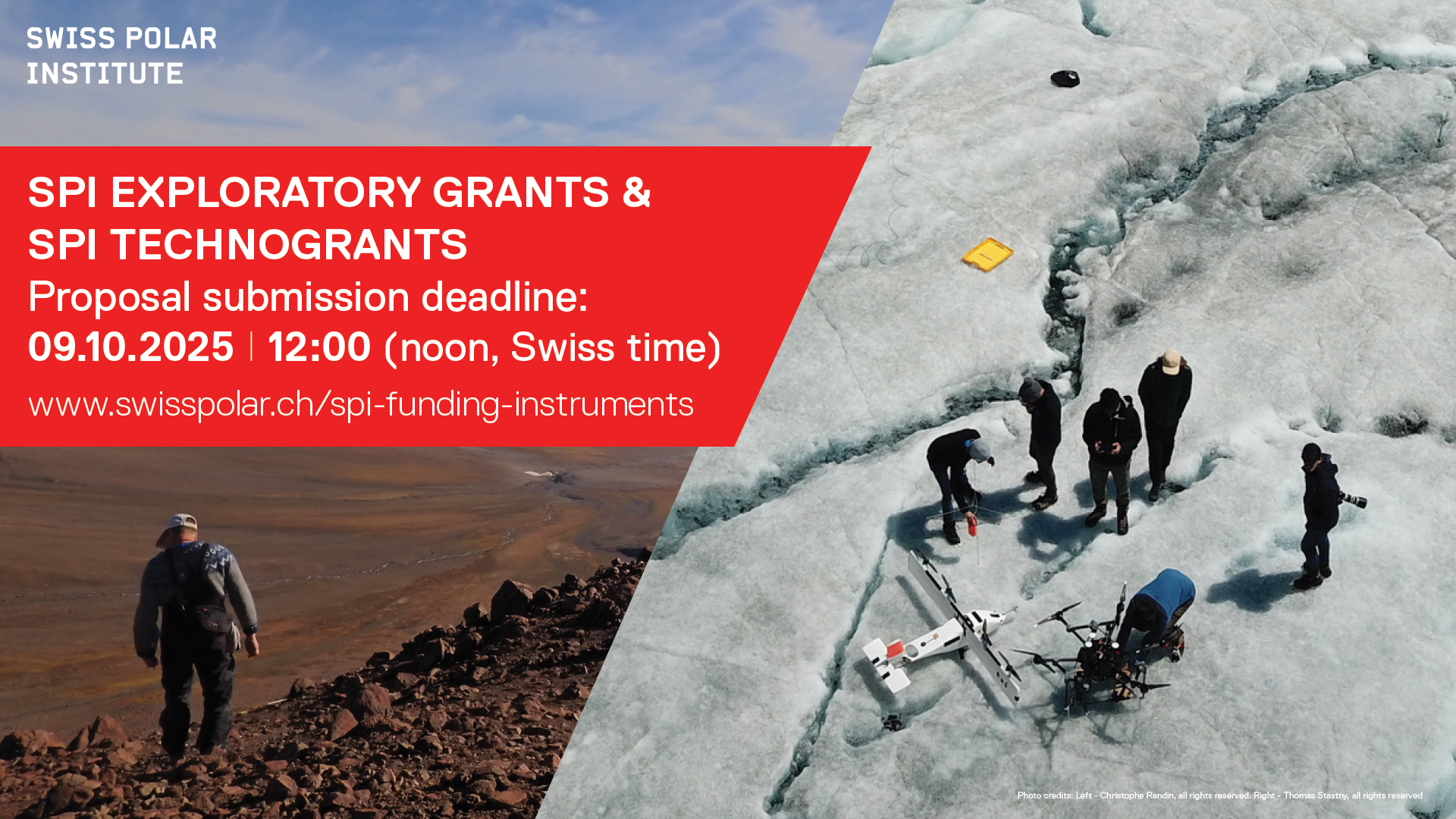 Photo credits: © Christophe Randin / Thomas Stastny, all rights reserved
SPI Technogrants support Swiss groups developing and adapting technologies relevant for research in polar and remote high-altitude regions. For example, the grants can be used as seed money to assess the potential of existing technologies for polar research. The call is open to Swiss-based researchers at all levels, including those working in the private sector. Applicants are also encouraged to propose cleantech innovations for polar research.
Learn more & submit your proposal →
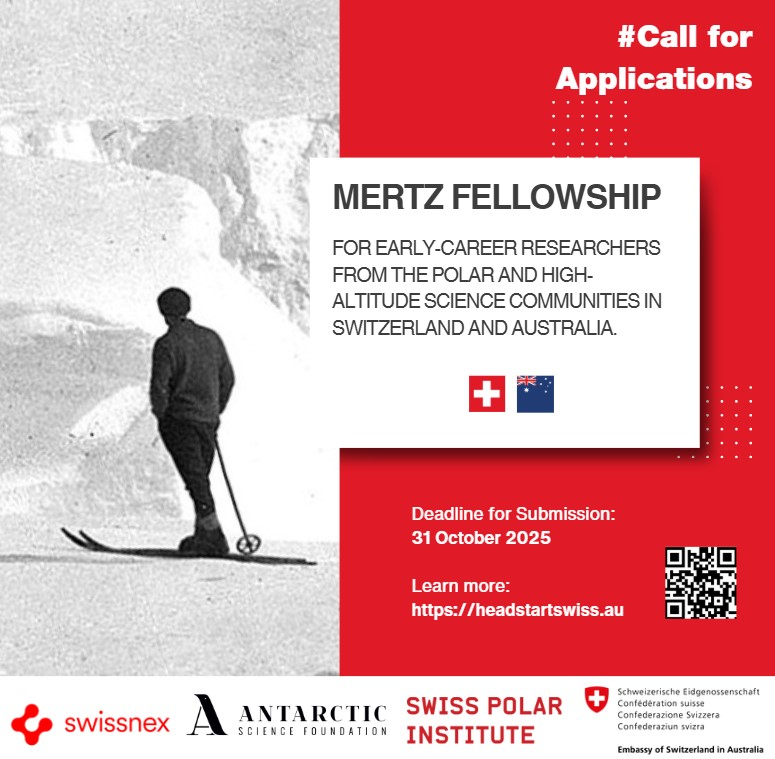 The Mertz Fellowship – a partnership between the Embassy of Switzerland in Australia, Swissnex, the Swiss Polar Institute, and the Antarctic Science Foundation – supports joint projects and scientific networking between Swiss and Australian higher education and research institutions. The call is open to early-career researchers in polar and high-altitude science based in Switzerland and Australia.
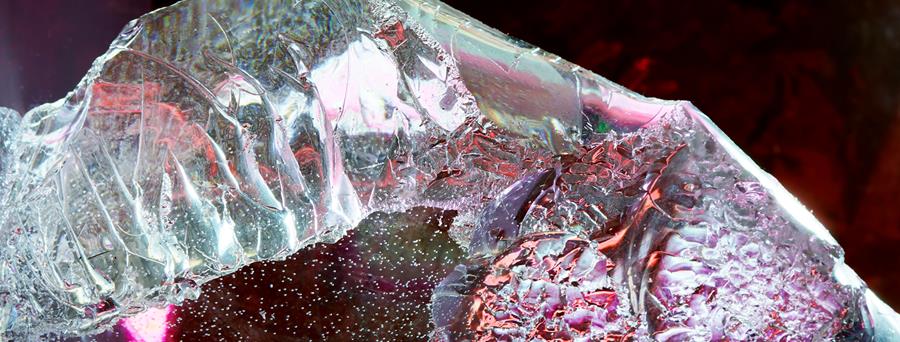 Illustration: © Jean-Vincent Simonet, all righs reserved
PolARTS is a joint initiative by the Swiss Arts Council Pro Helvetia and the Swiss Polar Institute to encourage exchange and to foster collaboration between art and science. The PolARTS initiative supports up to three tandems composed of an artist and a polar scientist over a period of 12 to 18 months, and opens a space for new explorative practices and transdisciplinarity.
Learn more and apply →
SPI contributes to the cost related to the participation in field schools and training programmes to enable students and early-career scientists affiliated to a Swiss academic or research institution to acquire specialised experience and knowledge.
Next opportunities:
Learn more & apply for SPI support →
|
| |
 There are still a few places left for the upcoming training in collaboration with GRIMM:
A two-day course addressing the needs of scientific groups going into the field focuses on first-aid practices in special conditions encountered in cold and remote regions.
Find out more & secure your place →
|
| |
In collaboration with AWI:
For scientists working in northern regions the presence of polar bears is a risk that should not be underestimated. For this reason, SPI collaborates with the Alfred Wegener Institute (AWI) in Germany to make training courses about polar bear awareness and handling of weapons available to Swiss-based scientists. Find out more →
|
| |
| |
Swiss Polar Festival • 26-29 November, Sion
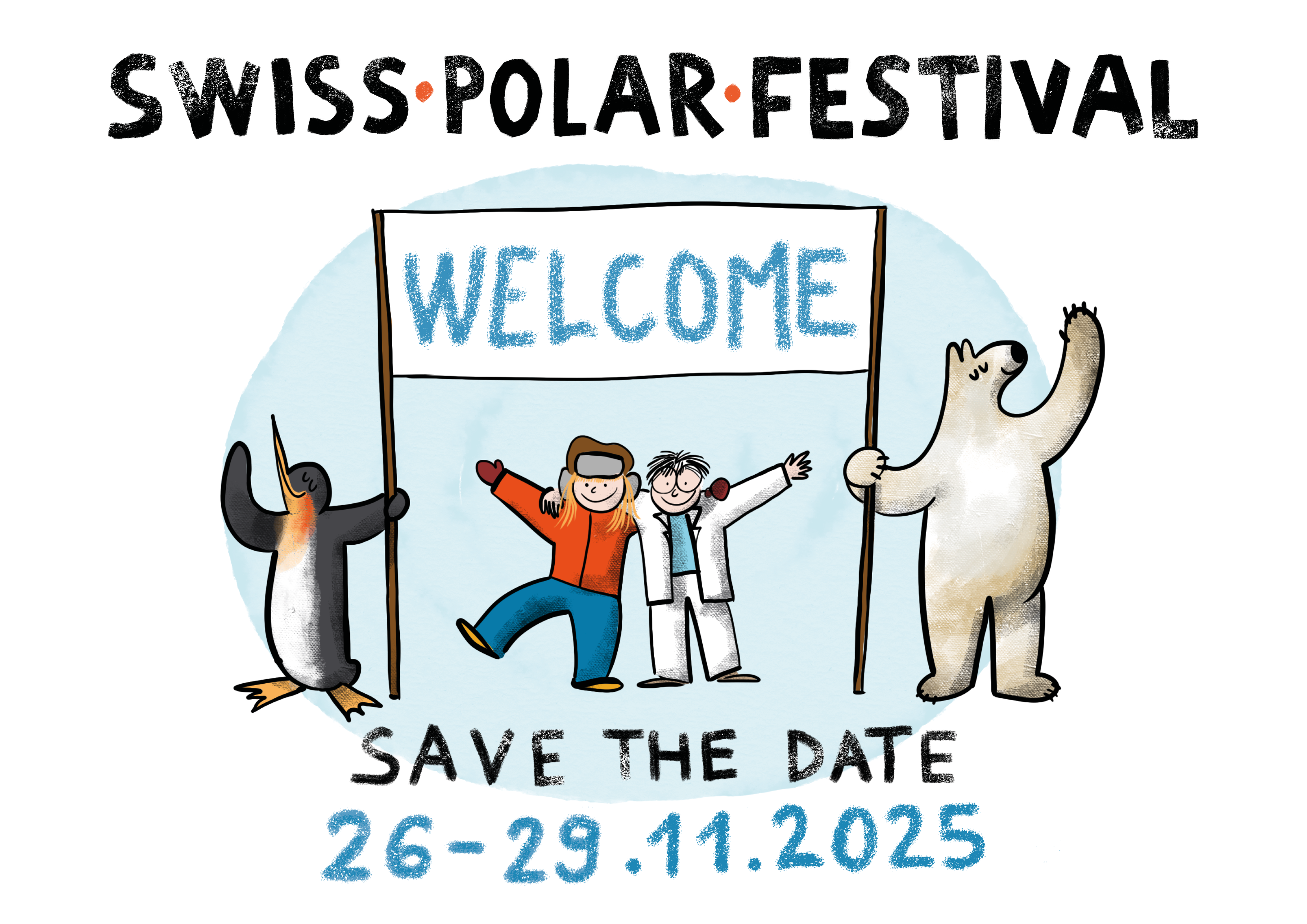 Illustration: © Swiss Polar Class, all rights reserved
The Swiss Polar Class Festival is getting bigger! Under its new name, Swiss Polar Festival, the third edition will offer a wide range of activities and events for all ages, in collaboration with cultural venues in Sion. Save the date & find out more →
|
| |
Greenland in focus @ ALPS Museum & BHM, Bern
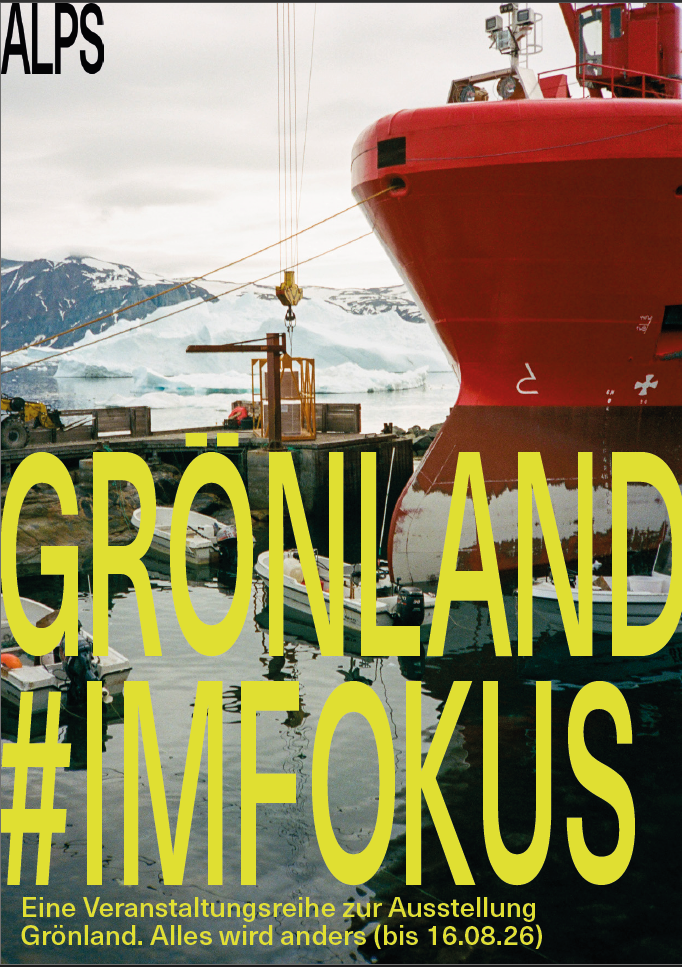
The "Greenland. Everything changes" exhibition at the ALPS Museum in Bern has a new accompanying programme: the ‘#imFokus’ event series with exciting partners (Polit-Forum Bern, Reportagen) and guests (e.g. SRF correspondent Bruno Kaufmann).
Join the conversation on current developments in Greenland as the series of events will allow plenty of room for questions and discussion. More info →
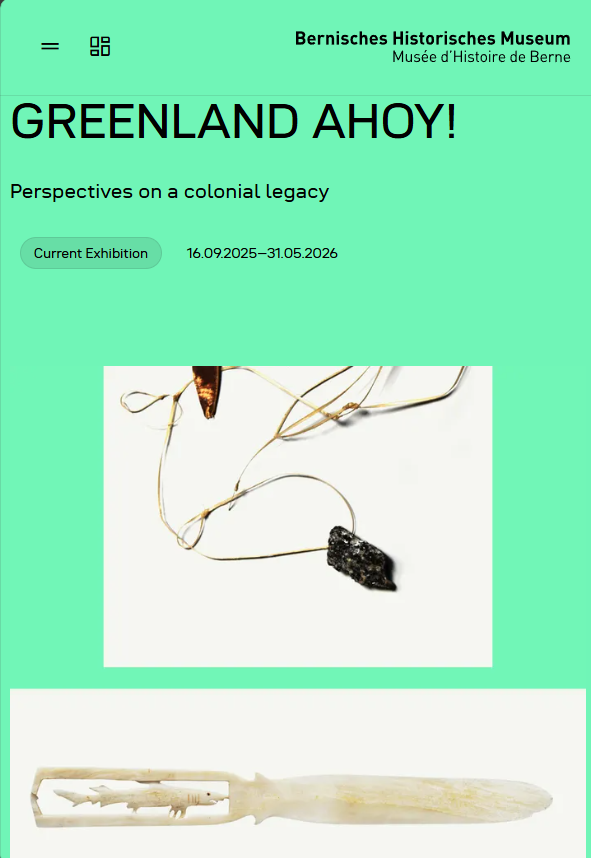
In cooperation with the ALPS Museum and in the context of the current exhibition on Greenland, the Bernisches Historisches Museum launched a complementary exhibition on Greenland, "Greenland Ahoy!" with a focus on colonialism and museum collections past, present and future.
More info →
|
| |
| |
|
Photo credits: © ALPS Museum / Bernisches Historisches Museum, all rights reserved
Swiss Geoscience Meeting 2025 • 5-6 December, Bern
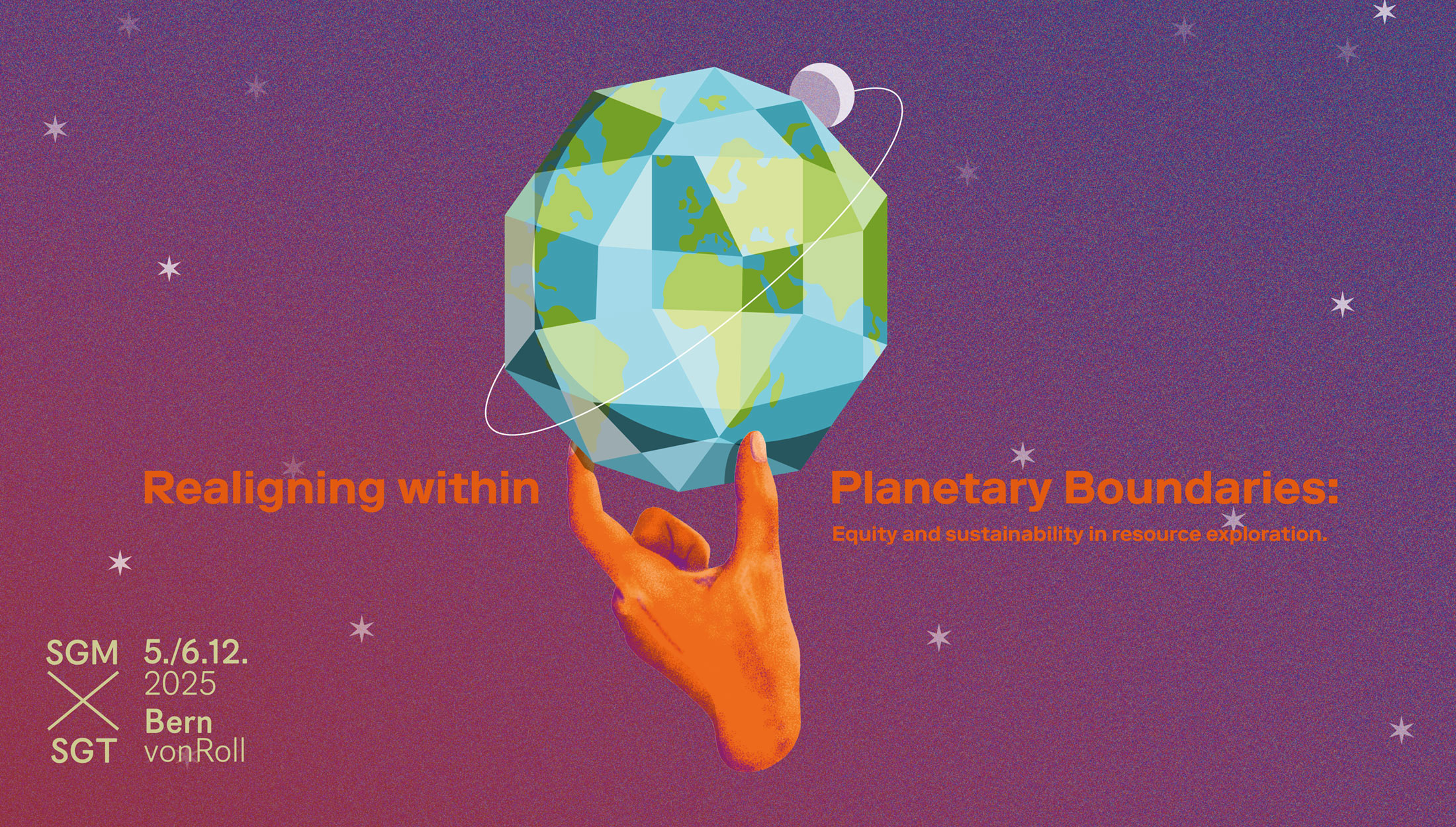 SPI will be present at this year's Swiss Geoscience Meeting "Realigning within Planetary Boundaries: Equity and sustainability in resource exploration." On Saturday 6 December, 31 symposia will cover the diverse spectrum of current research in geosciences, encompassing the lithosphere, the hydrosphere, the cryosphere, the biosphere, the atmosphere and the anthroposphere, with one symposium dedicated to polar and high-altitude environments. Learn more →
|
| |
| |
| |
Access to research vessels operating in polar waters
|
| |
Join APECS and take part in the photo contest |
| |
The Swiss chapter of the Association of Polar Early-Career Scientists is actively looking for new members. Join the APECS Switzerland community and take part in their fieldwork photography contest. More info → |
| |
Outreach
Swiss Polar Class: collaboration with Schulverlag and new learning modules
|
| |
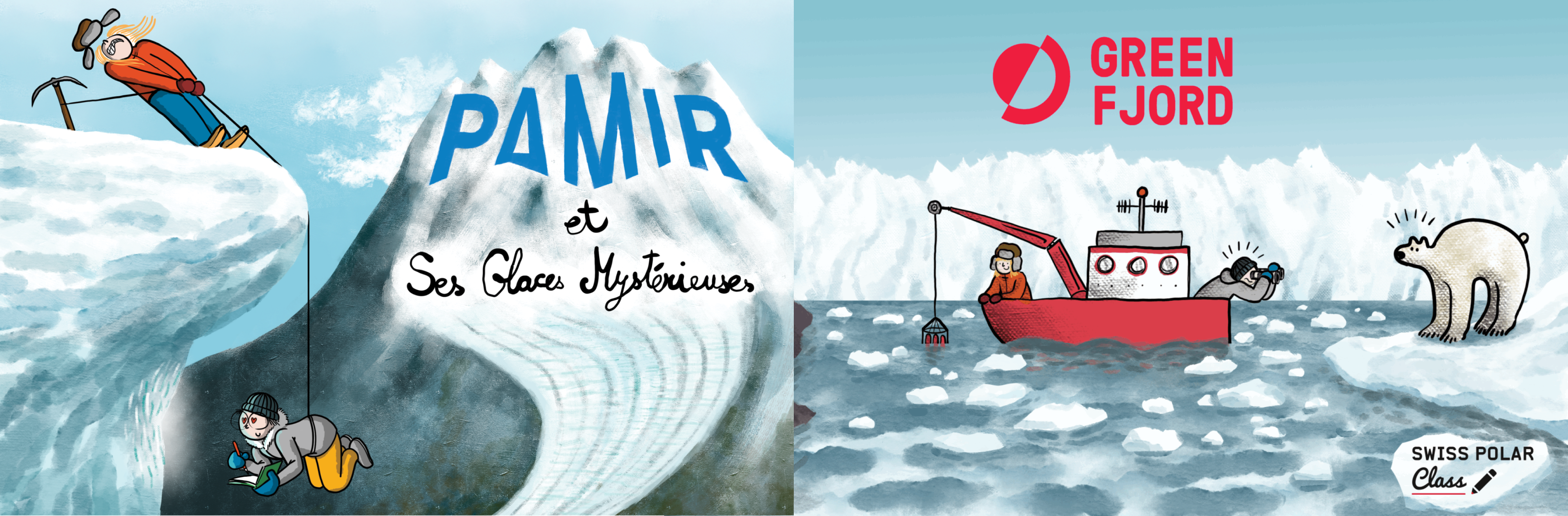 © 2025 Swiss Polar Class, all rights reserved
Swiss Polar Class published two new modules in collaboration with the SPI Flagship Initiatives GreenFjord and PAMIR. Access the new modules →
Swiss Polar Class also collaborated with the Swiss publishing house Schulverlag Plus specialised in educational content. The new material "Drei Pole, eine Welt" will soon be available for teachers in the Schulverlag Plus' catalogue.
Supporting the “Girls* on Ice Switzerland” programme empowering inclusive introduction to polar science
The Girls* on Ice Switzerland tuition-free programme for youth aged 15 to 17 offers inclusive scientific and artistic outdoor activities promoting gender equality and diversity in Science, Technology, Engineering, Art & Mathematics (STEAM) education and field sciences. In July and August 2025, their two expeditions, one in German and one in French, led by women experts in the field took place in the Valais Alps, with support from Swiss Polar Institute.
Read more →
|
| |
| |
| |
| |
| |