SWICE Newsletter

November 2025

 
Dear SWICE community,
 
In today's newsletter, we discover the new SWICE data hub, learn about the concept of decent mobility, and explore the rapid transformation of Swiss housing.
 
Have a great day!
The SWICE Management Team

New SWICE DataHub

We are happy to announce the official initial launch of the new SWICE DataHub! 🚀

The DataHub is our new intranet portal designed to standardize and streamline data access across the consortium.

This first crucial step will help ensure all our research outputs adhere to FAIR principles, a mandate for turning individual research into collective, policy-relevant insights.

We invite you to log in today to explore our inaugural dataset: the foundational QBuildings data provided by IPESE. This system is now live and we anticipate rapid population of the Hub as contributions from other Work Packages come online in the coming weeks. Your early exploration and feedback on this initial environment are highly encouraged!

👉 Access the DataHub: https://swice-datahub.epfl.ch/ or through the SWICE website

Any questions? Please contact david.lindelof@epfl.ch 

Transforming Swiss housing

How do we bring about a rapid transformation of Swiss housing?

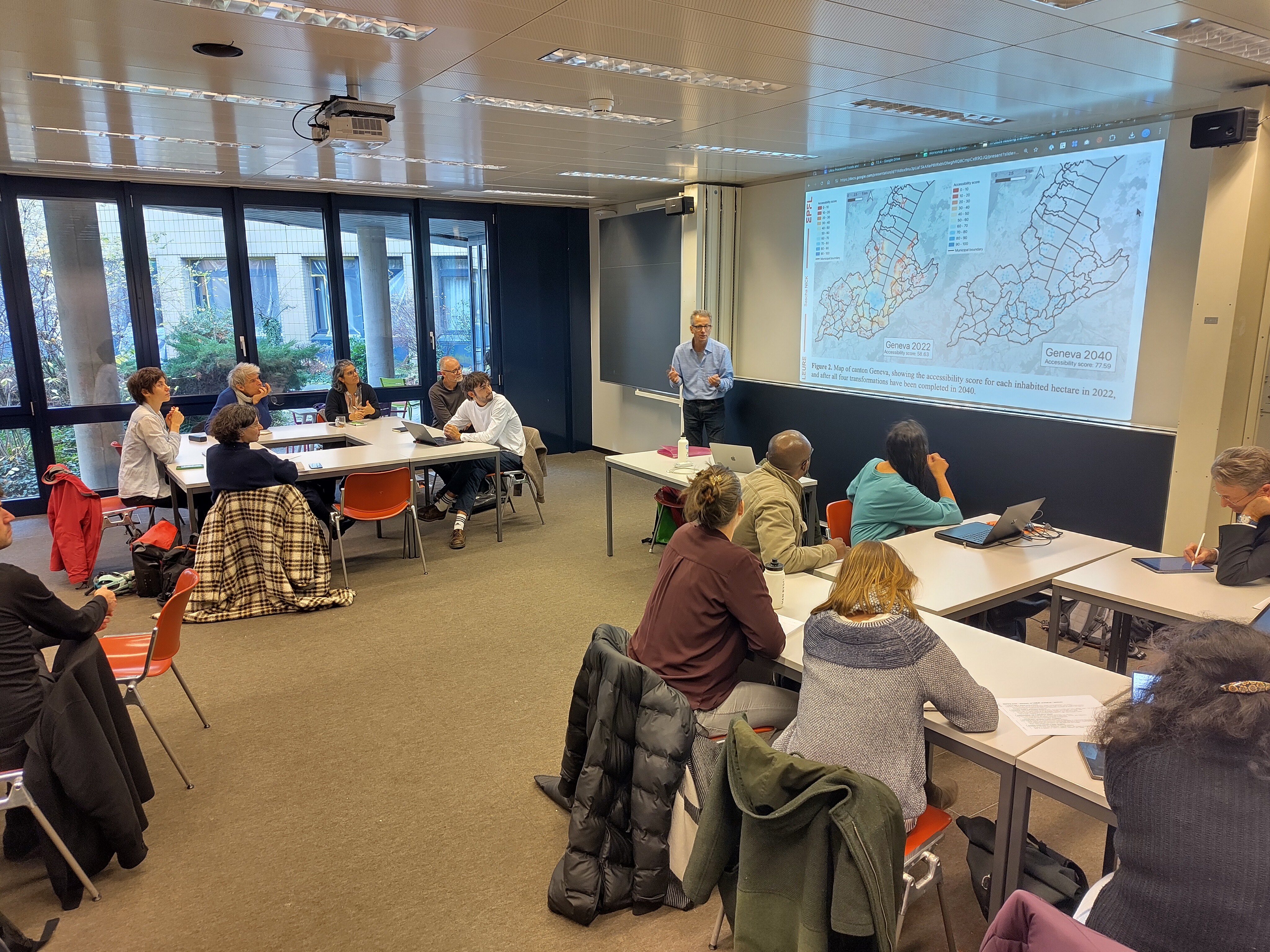
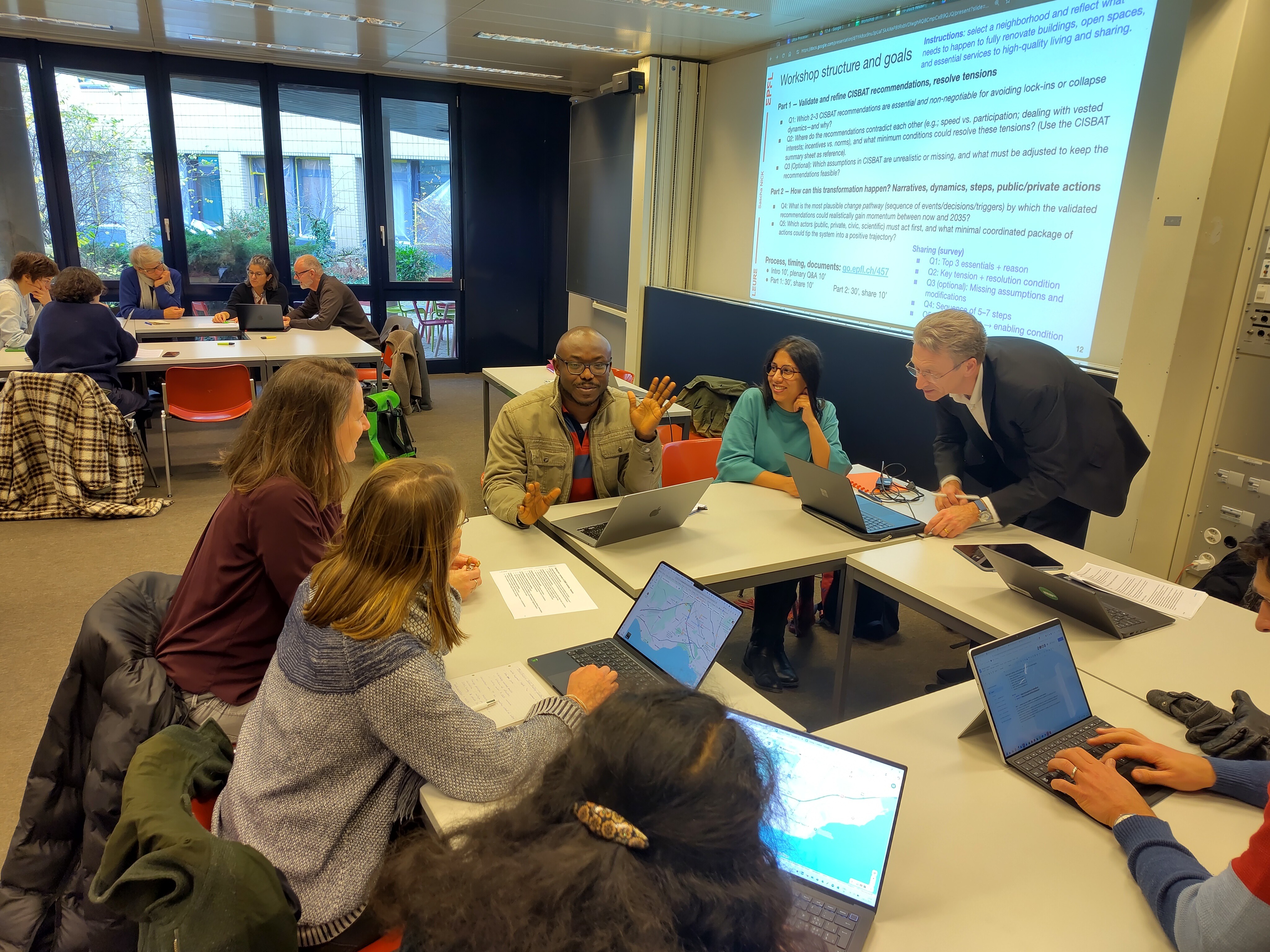
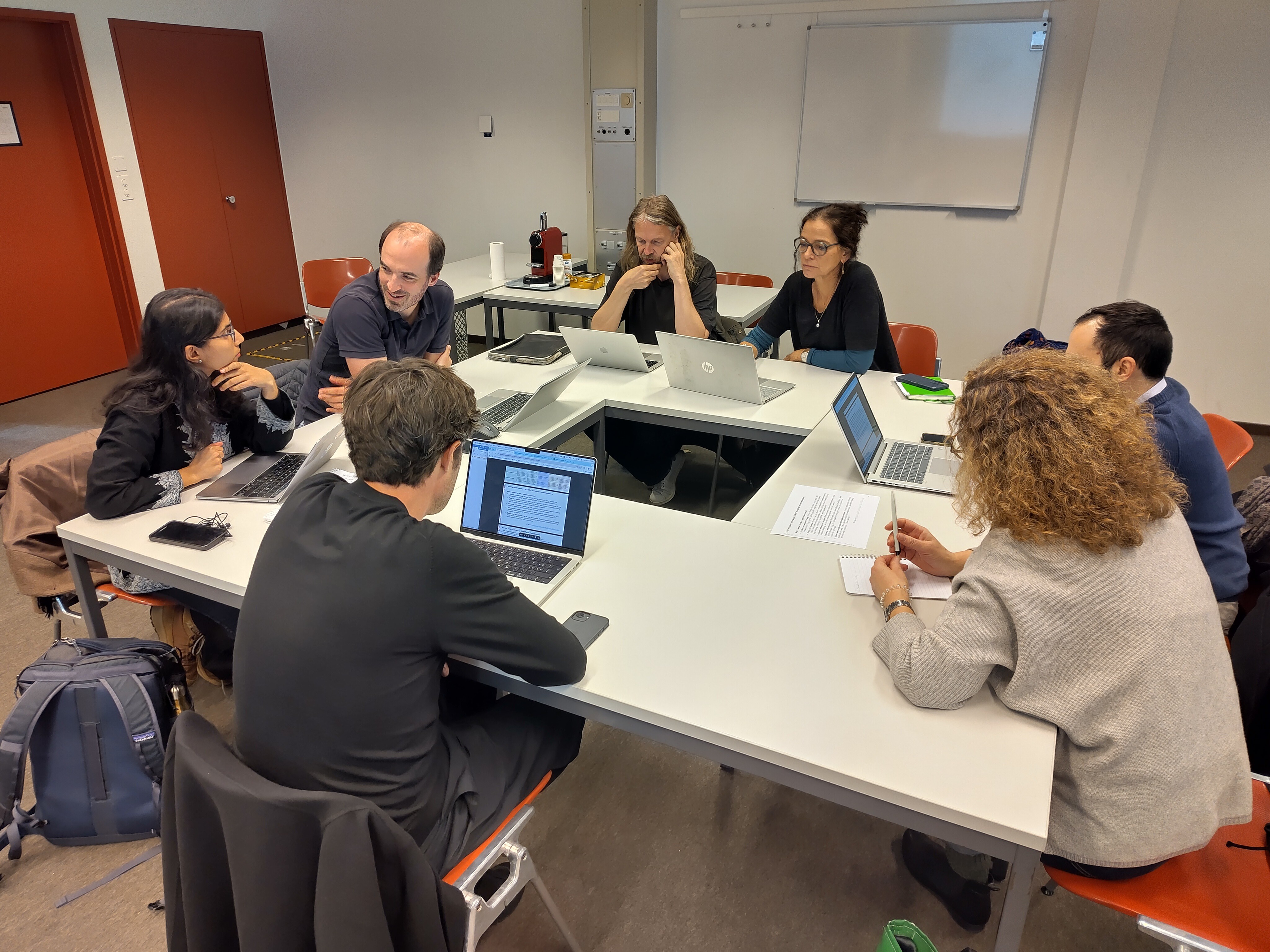
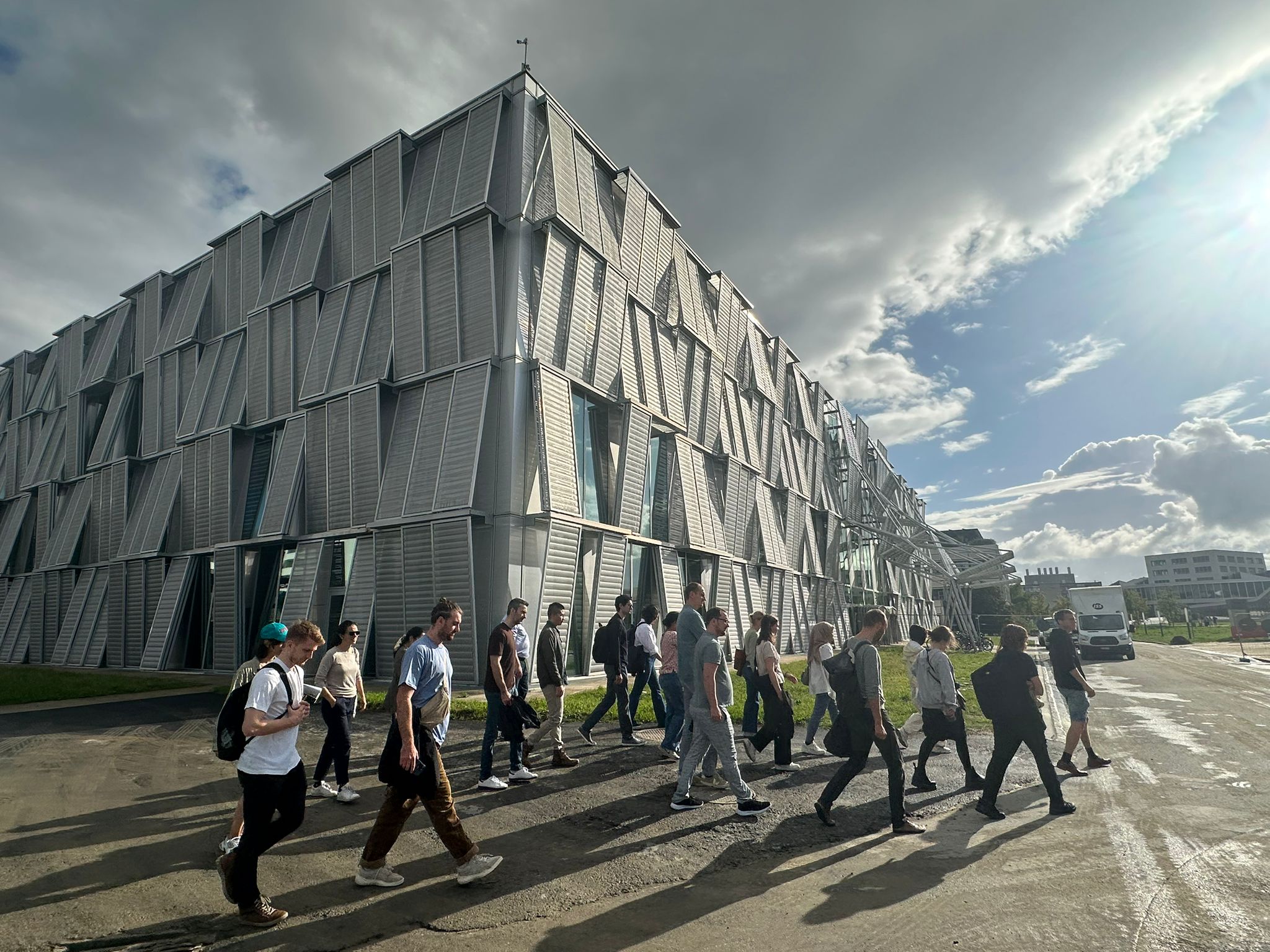
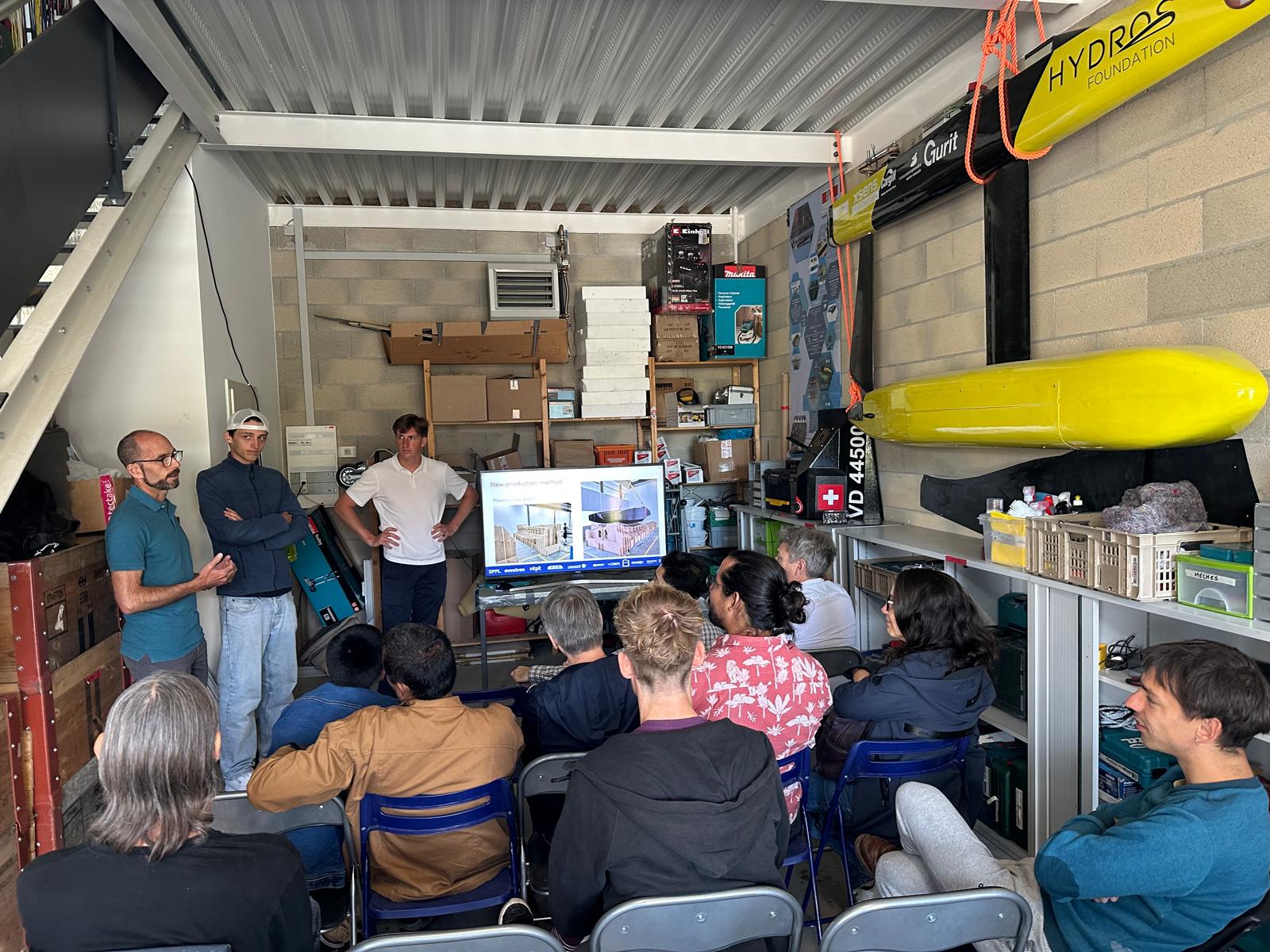
Last week we held a highly productive workshop exploring the role of architects, builders, planners, and other key stakeholders in shaping pathways toward sufficiency, shared living models, and sustainable housing.

The Swiss built environment remains a major driver of environmental degradation while delivering uneven social outcomes. Despite numerous initiatives underway across spatial and political scales, the sector is not on track to meet its key objectives for 2050, calling for a fundamental rethinking of how we re-design, maintain, and inhabit our spaces.

The workshop, organized by SWICE researcher Sascha Nick and EPFL master student Tom Nesling, benefited from excellent engagement, good teamwork, and a rich discussion. Participants focused on cultural change, governance structures, and actor dynamics as central levers for transformation.

The session built on insights from a previous session at CISBAT in September. Several more workshops are planned for 2026 in different parts of Switzerland.

CISBAT 2025 rewind

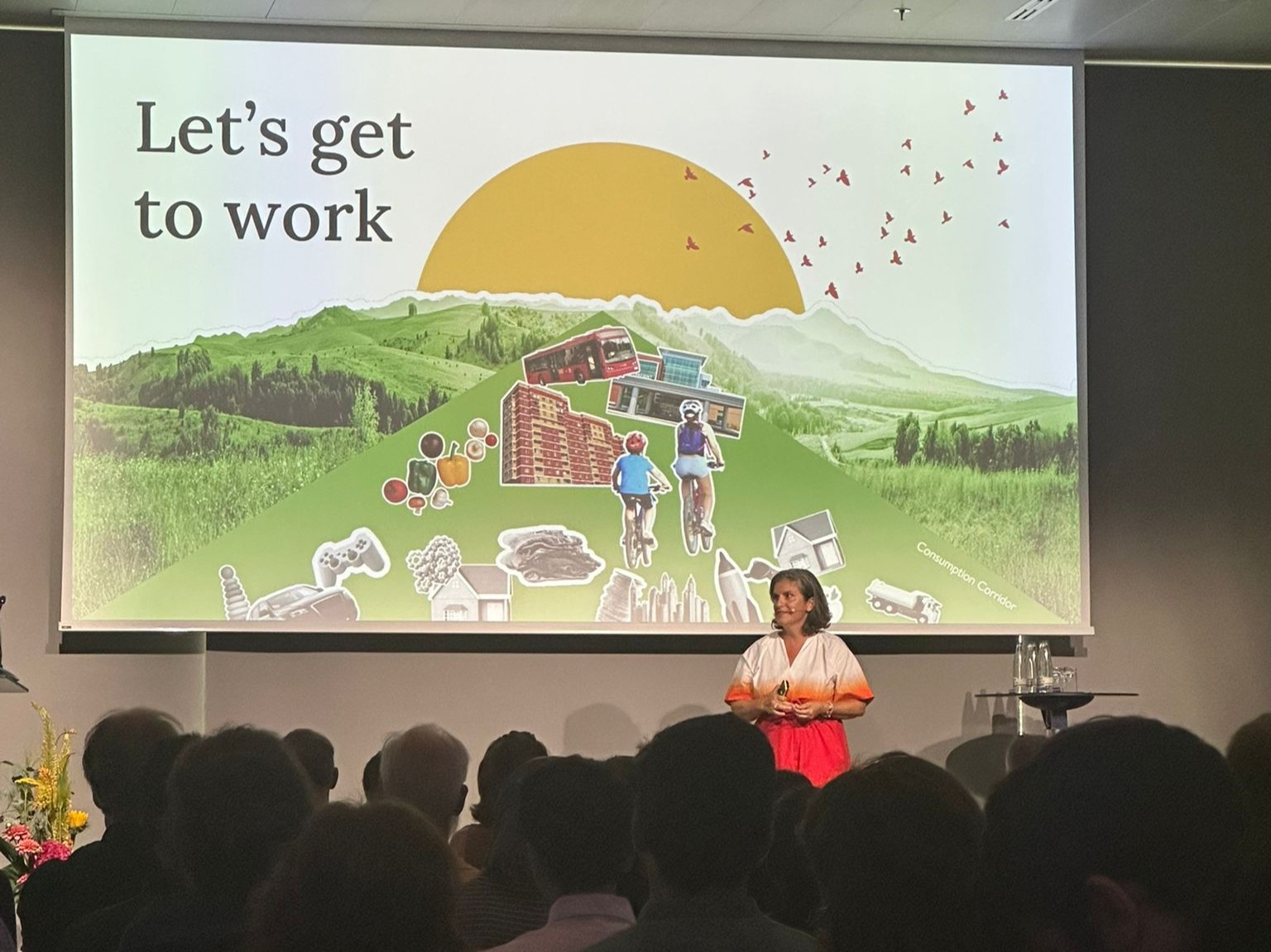
This year's edition of CISBAT saw 370 participants from leading international institutions gather at EPFL's Swiss Tech Convention Center to discuss the built environment in transition. SWICE research featured prominently, with SWICE researcher Marlyne Sahakian delivering one of the keynote talks, and many others involved in roundtables and workshops.

Covering topics related to operation, well-being and circularity, CISBAT was an excellent opportunity to show how SWICE research contributes to the international discussion on the built environment of tomorrow.

The conference proceedings will soon be available through the Journal of Physics: Conference Series. Pre-prints are available upon request.

Research corner


Exploring the potential of sufficiency scenarios to reach net-zero buildings in Swiss municipalities

Zuhaib Batra, Til Sommer, Thomas Jusselme and Kristina Orehounig

This study investigates the implementation of sufficiency principles within the Swiss building sector. The impact of various sufficiency and efficiency measures (e.g. promote shared living, renovation of building envelope) is quantitatively evaluated through different scenarios, which assess the efficacy of sufficiency-based measures in reducing emissions. Findings indicate that a strategically targeted combination of space demand reduction and renovation offers significant potential to lower both operational and embodied emissions.


Quantifying minimum mobility and transport needs: The who, the where and the why

Marlin Arnz, Zakia Soomauroo, Vivien Fisch-Romito, Jihoon Min, Joel Millward-Hopkins, Paul Natsuo Kishimoto, Benigna Boza-Kiss, Caroline Zimm and Bas van Ruijven

This paper defines the concept of "decent mobility", which is operationalised and quantified using a persona approach. The authors model two case studies with very distinct mobility systems – Switzerland and Mauritius – to illustrate the flexibility of the framework, which offers a method for evaluating present and future transport systems by putting human needs and their heterogeneity at the centre.


How to reduce the need for large and long-range battery electric vehicles

Raphael Hoerler

This paper asks what conditions can stir users towards smaller electric vehicles with a reduced range, thus reducing emissions, raw material use and pedestrian fatalities. The findings suggest that secured home charging access is a key factor in shifting preferences from conventional cars and long-range BEVs to lower-range BEVs. Additionally, access to carsharing and rental services reduces preferences for larger cars.

What's next? 


26.01.26 | SWICE / Lantern webinar on tools for Living Labs (13:00 to 14:00)

10.06.26 | SWICE Conference (SAVE THE DATE!)

Hey! Thanks for reading all the way to here! Today's game suggestion is Satle, where you have to guess the city from close-up satellite images - personnally I plan to play every day until I see the Rolex Learning Center...

Any thoughts about this newsletter, or our communication in general? Send your feedback to joan.suris@epfl.ch.

Follow SWICE on LinkedIn to stay up to date with the latest news!

Linkedin

SWICE Newsletter

Subscribe to our mailing list and get the latest news about the SWICE project!

Subscribe