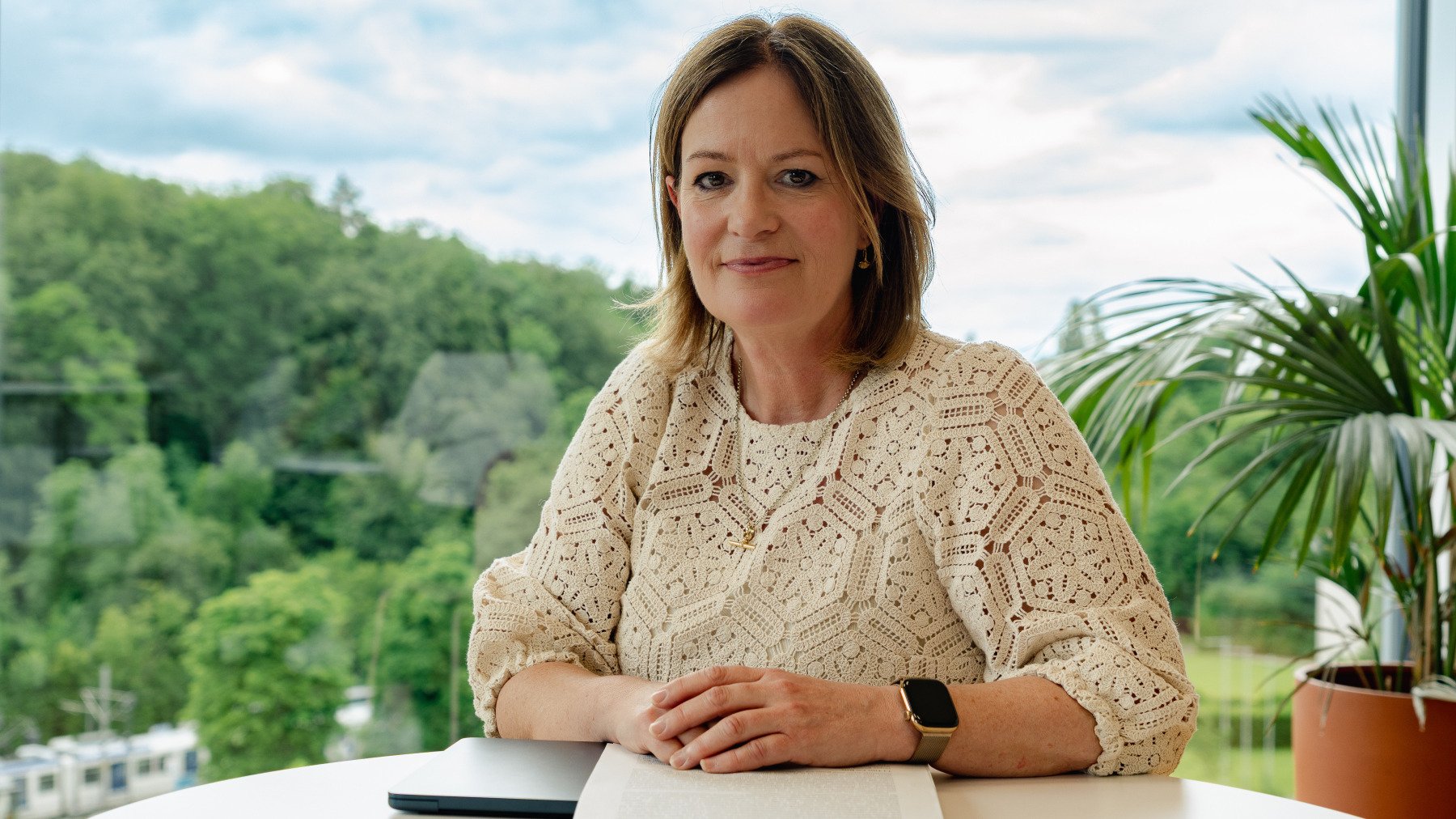
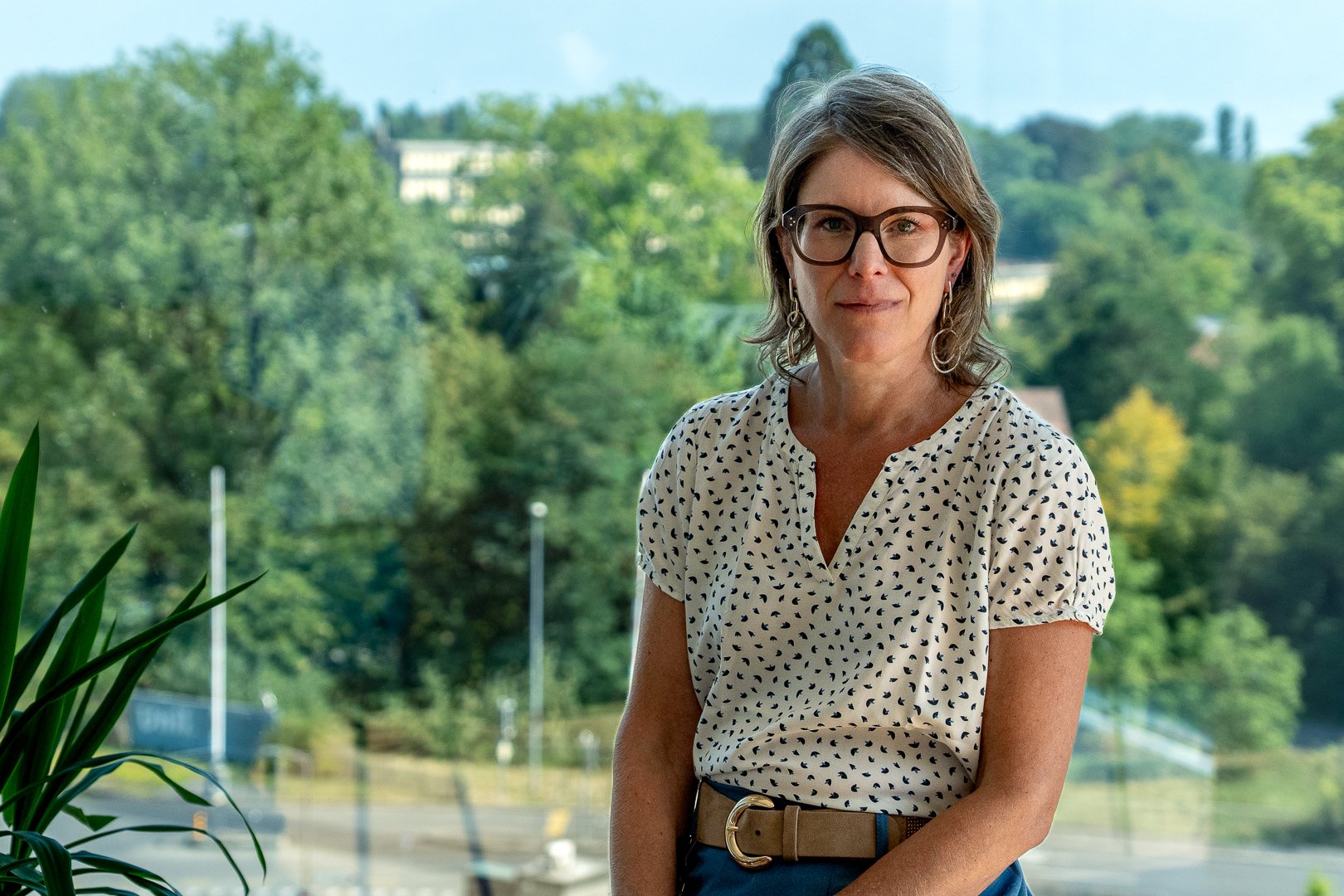
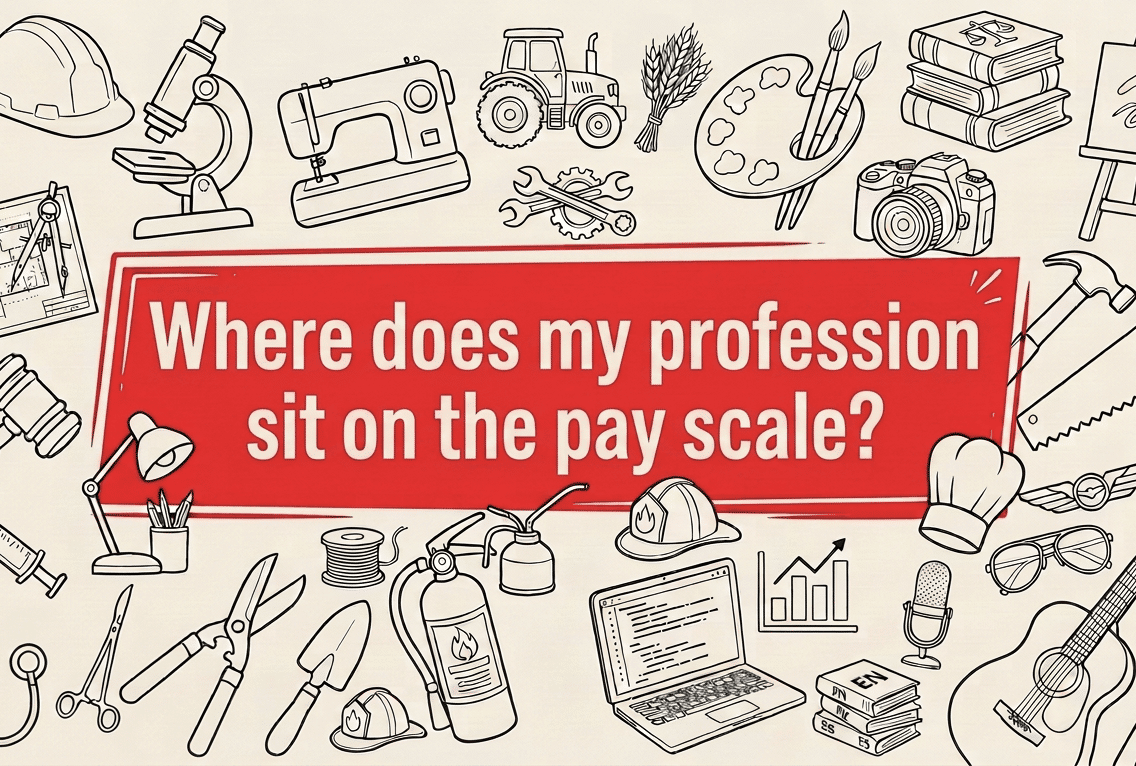
Dear readers, Today, we present STRATUS, the most extensive survey ever conducted in Switzerland on inequalities in the availability of time. We explore the role of personality in end-of-life planning. We examine whether the influence of DNA on our life trajectories depends on public policy. And we explore an interactive tool that assesses the hierarchical position of a profession within society. | | | | | Caroline Roberts, a research methodologist at the University of Lausanne © KA | 🎥. A PROJECT ON A SWISS SCALE ARE WE ALL EQUAL IN THE FACE OF TIME? | We know that leisure time is not distributed equally across different social groups or genders, and that this has an impact on health, work and relationships with loved ones. But who really lacks it? In the absence of sufficiently detailed data, the question remains unanswered in Switzerland, whilst other European countries have been studying it for years. It is this gap that the national STRATUS (social stratification of time) project, led by the LIVES Centre and the Swiss Centre of Expertise in the Social Sciences (FORS), aims to fill. It will examine inequalities in the availability of time using detailed diaries kept by participants in the Swiss Household Panel. An initial phase will produce this data, whilst five further phases will analyse it. The research topics range from sleep to leisure activities amongst older people, including the division of labour within couples. | | | | | | | | | WELL-BEING REMOTE WORK DOES NOT ERODE OUR SOCIAL RELATIONSHIPS | Fewer colleagues, less mentoring, ties gradually coming undone… During the pandemic, we feared that remote work would isolate us. A study from the University of Geneva, published in July 2026 in the Social Networks, shows that it is not problematic in itself. What is: precariousness, being denied the possibility of working remotely when you want to, and using remote work to work everywhere, all the time. The finding rests on data collected in four countries (Switzerland, Germany, the Netherlands and Spain), from 4,000 workers and on 27,000 of their social relationships. Enough to raise questions about the framework Switzerland is currently debating. Vacchiano, M., Fernandez, G., D. Widmer, E. (2026). A personal network analysis of remote workers. Social Networks, 86, 412-422. https://doi.org/10.1016/j.socnet.2026.04.010 | | | | | | Valérie-Anne Ryser, a psycho-sociologist at FORS © KA | 🎥. PLANNING FOR THE END ‘WE NEED TO BRING DEATH BACK INTO LIFE’ | It has been shown that preparing for the end of one’s life improves the quality of one’s final months. Yet in Switzerland, only one in five people over the age of 55 has drawn up advance directives. Is it a question of personality? A study published in March 2026 in the European Journal of Ageing analysed the personality traits of 1,524 Swiss people in relation to seven dimensions of end-of-life planning. Surprisingly, the most organised are not the best prepared, and the most anxious think about it a great deal without ever taking action. The study shows, however, that no single personality profile acts as a major barrier: everyone can be encouraged to consider their own mortality, albeit in different ways. The real drivers lie elsewhere. An interview with a researcher who advocates for reintegrating death into everyday life. Ryser, V. A., Vilpert, S., & Maurer, J. (2026). Personality traits and end-of-life planning in older adults: insights from a population-based survey. European Journal of Ageing, 23(19) https://doi.org/10.1007/s10433-026-00916-x | | | | | | | Alicia Garcia-Sierra, sociologist at Carlos III University in Madrid © César Fuster Llamazares | QUALIFICATIONS, SALARY, WEALTH WHEN GENETICS PLAYS A SMALLER ROLE IN THE EQUATION | Do your genes determine your future? To some extent. But that influence is by no means set in stone. In 1944, England abolished secondary school fees. A study published in April 2026 in the American Journal of Sociology compares people born just before and just after the cut-off date set by the law. After the reform, the gap between two people with different genetic predispositions — in education, income, wealth — narrowed significantly. Those who, without the reform, would have left school early benefited the most. The influence of family background, however, remained unchanged: abolishing school fees does not eliminate social networks, expectations or access to the best schools. Garcia-Sierra, A. & Grätz, M., (2026). Does Expanding Free Secondary Education Moderate the Relationship Between Genes and Socioeconomic Outcomes? Evidence from the Education Act of 1944 in England. American Journal of Sociology, 131 (5). https://doi.org/10.1086/740030 | | | | | | | | INTERACTIVE TOOL OEP: A SCALE MEASURING THE EARNING POTENTIAL OF OCCUPATIONS | How can we assess the hierarchical position of an occupation within society? A team from the University of Lausanne answers this question with three letters: OEP, which stands for ‘Occupational Earning Potential’. No more complicated calculations. The scale, described in a study published in the European Sociological Review, simply compares the median salary of each occupation with that of the population as a whole. While the scale is based on data from five countries – Sweden, Germany, the United States, the United Kingdom, and Switzerland –, the interactive tool displays the Swiss figures, which are calculated using data from the Swiss Labor Force Survey (300,000 respondents between 2000 and 2022). Interview with sociologist Daniel Oesch from the University of Lausanne, who developed this tool. Oesch, D., Lipps, O., Shahbazian, R., Bihagen, E., & Morris, K. (2026) Occupational earning potential: a new measure of social hierarchy in Europe and the US. European Sociological Review, 42(3), 421–441. https://doi.org/10.1093/esr/jcaf035 | | | | | | | CLOSING EVENT OF THE NRP80 PROJECT Bern | | | | YOUTH RESILIENCE IN TIMES OF CRISIS | The ‘Covid Generation’ research group, which is part of the National Research Programme "Covid-19 in Society" (NRP 80), funded by the Swiss National Science Foundation (SNSF), is concluding its work and presenting the findings of its research into what helped – or failed to help – young people during the pandemic. Whilst Covid-19 is no longer the focus of attention, one question remains: what lessons is society learning from this for the future? This will be followed by a panel discussion with experts in child and youth policy (CHUV, CDAS, FOPH, ZETA Movement). Berner Generationenhaus, Bubenbergsaal (3rd floor) Registration | | | | | SCIENCE-SOCIETY
COLLOQUIUM Lausanne | | | | HOW DOES RESEARCH INFLUENCE AGEING POLICY? | The LIVES Centre is bringing together researchers, policymakers and practitioners for an afternoon dedicated to ageing. This science-society colloquium aims to examine the quality of dialogue between science, policy and practice in the context of future demographic challenges. The first part of the event will feature presentations providing an overview of the current situation, from healthy ageing to end-of-life care. This will be followed by a round-table discussion that will bring together knowledge, needs and concrete actions. University of Lausanne, Internef Building, Room 272 Registration | | | IMPLEMENTING A SENIOR CITIZENS’ POLICY: A GUIDE FOR LOCAL AUTHORITIES | By 2050, the proportion of people aged 65 and over in Switzerland is expected to rise from 19% to 26% — a threshold that has already been reached in Pully and Savigny. Yet few local authorities have a genuine policy for older people. The Lausanne Region therefore commissioned Dario Spini, a social psychologist at the University of Lausanne, to develop a practical guide to transform isolated initiatives into a coordinated strategy aimed at promoting the inclusion of older people as active citizens. This is an opportunity to hear a researcher advocate closer dialogue between science and politics. | | | | | Centre LIVES | University of Lausanne | Géopolis Building | 1015 Lausanne | +41216923883 | | | | You are receiving this newsletter because you have registered on our site or made a purchase. | | | |