Dear La Côte family and friends,
How ‘tribal’ are you? Passionate about a particular sports team? Android vs iPhone? Your identity closely tied to nationality or culture? What about your religion and spirituality - are you a bit ‘us and them’, or not?
Our Bible readings this week begin with Abraham, and God’s promise to him of a special future for his people. Yet the whole of the biblical narrative is one of moving away from this narrow understanding of God as a tribal deity, towards a more universal and generous vision, embracing all of humanity, in fact all of creation.
We then hear about Nicodemus, who has come to meet Jesus. He is steeped in the Abrahamic tradition. He wants to know (thinking about things like being ‘born again’) « how does it all work? » Jesus's words in reply have been used by many - in a tribal way - as a means to define people in terms of their faith identity : are you ‘born again’ or not ? Do you ‘believe in Jesus’ or not? Yet Jesus’s answers to Nicodemus are deliberately teasing, exploratory, enigmatic, mystical (« the wind blows where it wills … »): the Truth is not in dogma but is more universal, found in the journey, part of shared human experience - a generous vision.
That mysticism finds echoes in many faith traditions and worldviews. The Sufi writer Shams of Tabriz in the 13th century wrote many things which resonate with Jesus’s exploratory words. He writes « Remember, it falls upon each of us to discover the divine spirit inside and live by it. » The Spirit is at work in places we might not expect : the wind blows where it wills.
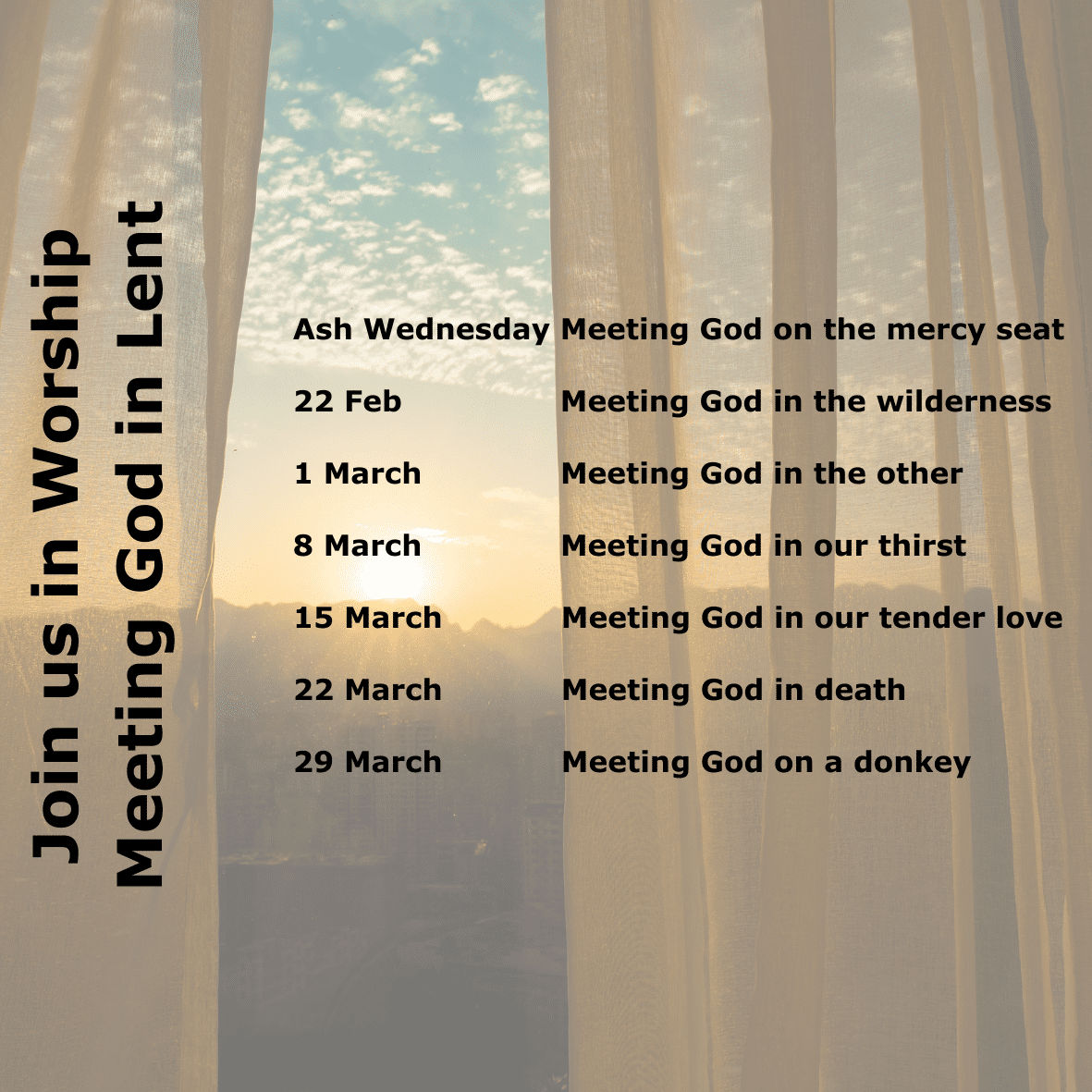
All of this prompts us to avoid falling into tribalism to protect our sense of identity, to open up a sense of shared humanity, to be ready to see glimpses of Truth - to meet God - in ‘the other’, and to explore the implications : for us individually - in being open to those and that which are different - and for geo-politics as the world risks retreating into national and cultural tribes, and building walls of fear and mistrust.
Michael French